High blood pressure diet: what to eat and what to avoid
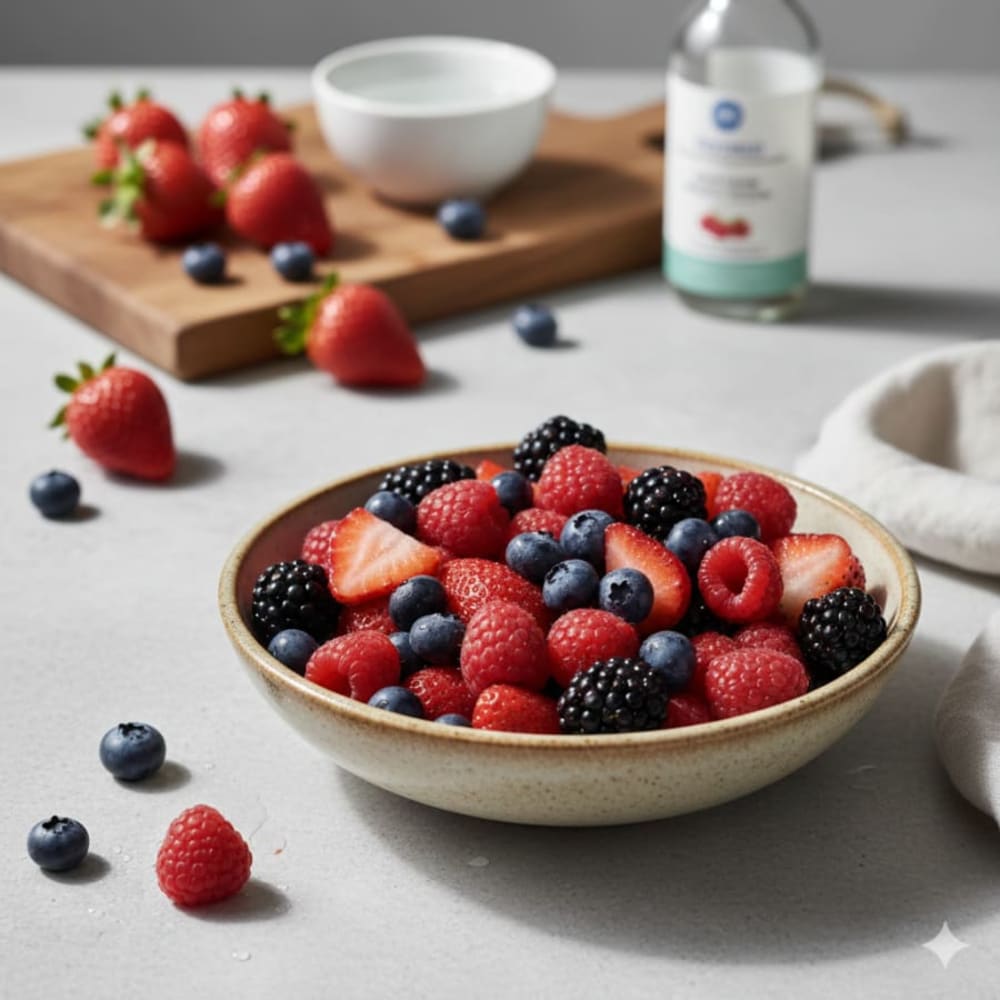
Lowering blood pressure with food is not about taking the salt shaker off the table. It is about knowing where the sodium actually is — because most of it is already inside what you buy.
The salt shaker is not the problem
Only about 10 to 15 % of the sodium you eat comes from salt you add while cooking or at the table. The rest is already in processed food.
That is why people stop salting their food, see no change, and conclude the diet does not work. They were fighting over 10 %.
Where the sodium really is
- Bouillon cubes and powder. One teaspoon can exceed 1000 mg of sodium — half your daily allowance in a single move.
- Deli meats. Ham, sausage, bacon, salami. Two slices of ham can reach 500 mg.
- Bread. It does not taste salty, but it adds up because it is eaten every day.
- Aged cheeses. Parmesan, cheddar, feta. Fresh cheeses and ricotta are much lower.
- Canned goods. Tuna, vegetables, beans, instant soup.
- Sauces. Soy sauce, Worcestershire, ketchup, bottled dressings.
Reading the label in five seconds
- Under 140 mg per serving: low sodium.
- Over 400 mg per serving: high, no matter what the front of the package claims.
And check the serving size. Many labels declare half a can or half a bag, not the whole package.
Low salt does not mean no flavor
What makes food taste flat is not missing salt — it is missing acidity, aroma and texture. Put those back and you barely notice.
- Acid: lemon, lime, vinegar, tomato. This is what fools the palate most.
- Aromatics: garlic, onion, cumin, oregano, bay leaf, cilantro, black pepper.
- Heat: fresh or dried chili, instead of bottled hot sauces.
- Browning: searing meat or roasting vegetables builds flavor without adding anything.
Your palate readjusts in about two to three weeks. After that, your old food tastes too salty.
What matters besides sodium
Weight. Losing 5 to 10 % of body weight usually produces a measurable drop in blood pressure — sometimes more than any change in salt.
Alcohol. It raises blood pressure directly and interferes with several medications.
Potassium. It helps offset sodium. But if you have kidney disease this reverses completely: potassium can build up in the blood and become dangerous. In that case your nephrologist sets the diet, not a general guide.
A realistic day
Breakfast: eggs with tomato and onion, toast, coffee. No bacon or sausage.
Lunch: chicken or fish with garlic and lemon, sautéed vegetables, rice. No bouillon powder — garlic, onion and cumin do the work.
Dinner: light. Vegetables and a small portion of protein.
Snacks: fruit, unsalted nuts, plain yogurt. Not chips or salted peanuts.
What does NOT work
No tea, juice or remedy lowers blood pressure in a lasting way. What lowers it is the sum of small things every day: less sodium, less weight, less alcohol — and the medication if your doctor prescribed it.
And never stop your medication because you feel fine. High blood pressure causes no symptoms until damage is already done. That is precisely why it is treated.
Keep reading
Recipes with the sodium already calculated
Every NefroChef recipe shows its sodium per serving, reviewed by a doctor. No label reading, no math.
See the recipes →Eat without fear of damaging your kidneys
Safe recipes for your kidney stage, validated by a nephrologist, with their exact potassium, phosphorus and sodium values.
Personalized menus · Cancel anytime
Get kidney tips every week
Tips, recipes and practical tricks to take care of your kidneys without fear, straight to your inbox. You also get a free guide when you subscribe.
No spam. Unsubscribe anytime.